

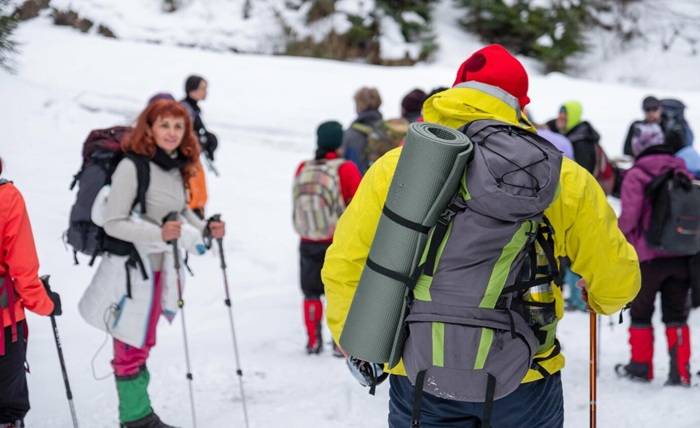
To prepare for the Manaslu Circuit Trek with Sherpas one should combine physical training, mental readiness, and logistical planning–this will contribute to a satisfying and safe experience. One of the toughest treks in Nepal, the Manaslu Circuit Trek leads in gigantic sweeps through remote valleys, over rugged heights, and at Larkya La Pass eventually to 5,160 meters above sea level. During this difficult journey employing Sherpa guides is of great help. But advance preparation is key to getting the most out of your adventure.
One of the first steps in preparation is physical conditioning. The Manaslu Circuit Trek requires a lot of walking up and down steep gradients all day long. You will need to have built up some reasonable level of fitness if you are to keep up with the group. Cardiovascular exercises like running, swimming, or cycling will help build endurance while still strength training is your primary defense against leg and core muscle soreness when climbing up hill. Walk with a loaded rucksack, to simulate the conditions of walking where everything you have is on your person over long distances above all. Get in the habit of letting your body become accustomed to carrying weight for a long distance.
Acclimatization is still another vital part of the preparation. Manaslu Circuit Trek goes to a high altitude and altitude sickness is always a worry. In order to avoid this, plan for enough rest days and give the body time to gradually decrease pressure on it by providing less oxygen. Sherpas, with their detailed knowledge of the area, can advise trekkers on how fast it’s best to travel and rest so that the acclimatization process goes smoothly. Also, remember to drink plenty and eat well. Avoid alcohol, which interferes with the body’s ability to adjust to altitude.
Then in terms of equipment and permits, you have to make arrangements. Necessary items include solid hiking boots, a sleeping bag rated for cold temperatures, layered clothes to accommodate changes in temperature, and a waterproof jacket. To carry it all, a good quality rucksack is also needed; there are other useful items such as trekking poles and personal ones like a head torch and first aid kit. And don’t forget that you will need to get the appropriate permissions to trek in the Manaslu region. A trekking company or local authority can arrange these on your behalf and also ask Sherpa guides for the most up-to-date information on this.
Manaslu Circuit Trek Cost Finally, it is crucial to be mentally prepared. The trek is tough, both in terms of trekkers’ physical endurance and their stamina: there are long days of trekking at high altitudes and sometimes hard conditions. With a positive attitude, patience, and reasonable expectations, the adventure will be much smoother. By having an experienced Sherpa guide with you during this whole process everything goes easier down the trail to Larkya La. Sherpas know both their own needs and where others may feel most comfortable. So every day, the trek is like an enjoyable game instead of hard work. With the proper training, foresight, and help from a Sherpa guide, trekkers can head out to the Manaslu Circuit in high spirits and satisfaction. In the midst of this adventure rich with cultural tastes and beauty, good health becomes the main aim.
Manaslu Circuit Trek Introduction
At the edge of this great upheaval sits Manaslu Circuit Trek. The eighth-highest peak in the world, it was first climbed in 1956 by a Japanese expedition. The Manaslu Circuit, which takes around 14 days to complete, allows you to absorb nature and culture all the way from the end of the trail. As the circuit passes woodlands, terraced fields, and high plateaus it gives nature lovers a chance to appreciate every sort of environment that exists within this region. Unlike other trekking routes such as Annapurna or Everest, the Manaslu Circuit is a closed area. Following such naturally formed barriers as rivers and mountains, it is therefore less populous than other trails-which are open to all and often overcrowded. Along the way, trekkers will encounter ancient monasteries, Buddhist prayer flags, and unspoiled rivers. They take a peek into the spiritual life of the Sherpa and Tibetan communities that reside in this region. The trek ends at Larkya La Pass, which is 5,160 meters high. It gives panoramic views of surrounding peaks including Manaslu, Himachuli, and Ngadi Chuli. For those who want a trip off the beaten track. With incredibly beautiful natural scenery and rich cultural experiences, this trek is just perfect.
The Advantages of Traveling with Sherpas
Manaslu Circuit Trek Itinerary By traveling with Sherpas, you can enjoy many benefits, such as an easier and safer ride in the kind of challenging terrain met on the Manaslu Circuit. Sherpas, renowned for their strength and durability combined with mountain expertise, fulfill an invaluable function as guides in this harsh environment. Field experience has shown that sherpa guides’ deep familiarity with the terrain’s layout, weather phenomena and potential hazards can keep you on course away from any problems. As hikers ascend towards ever higher altitudes, Sherpas are also invaluable for assisting in difficult trail traverses, bridge crossings, and emergencies encountered in lonely wilderness places. Thus they make the trek that much safer as well.
In addition to simply helping with logistics, Sherpas can open up insights into the culture of the villages through which the trek passes. Hiring a Sherpa guide not only helps trekkers understand some of the customs peculiar to the region–such as monasteries and prayer wheels which are integral parts of the Buddhist nature of the area. In addition, Sherpas enable and expedite trekking with high-altitude acclimatization trips, reducing the danger of altitude sickness. Similarly, journeying with a Sherpa helps local communities by providing them with such income–derivative from visitors–as trekkers can give back to the region for use in its growth and development.
Best Season for Hiking Wanderlust Manaslu Circuit
The best time to hike the Manaslu Circuit is often during the spring. May-September weather conditions are most favorable for trekking in these months, when temperatures average 16-18 Celsius and often fall with the light wind Lhamo Valley starts. The weather is normally stable at this time of year, with beautiful blue skies and clear views in all directions as far as you can see Cluster snowclad upper meadows beneath Manaslu peak Regularly during the spring, rhododendrons come into bloom. In autumn, the upper air is transparent and clean perfect for viewing all snow peaks (Yala Peak has just been mentioned as “the final prize of anyone making it to Mount Kailas”). Ideal for trekking are the two seasons of autumn and spring. Monsoon(August the monsoon is ideal for farmers planting rice and rejuvenating plants in mountain water courses, it is a hazardous time for trails to be slipper and even change. There’s also an increased risk of landslides occurring with each torrential rain. For this reason, one should avoid going desertwards during June-September altogether. As for winter (Manuary8998Well, you never know what the weather is going to be like in these parts, do you? But you do know when it gets cold enough for snow to fall. So that´s off From both a comfort and safety point of view, plan your trek for spring or autumn. It is clear that this is when there will be excellent weather conditions.
Physical Preparation and Fitness Tips
To successfully complete the Manaslu Czrcuit Trek and get the most out of it enjoyment-wise, one needs a good level of physical preparation. The trek is physically demanding: long days of walking at high altitudes require excellent endurance and stamina. If you don’t begin to get fit for an extended period hike like doing at least three months of regular cardiovascular exercise such as hiking, running, or cycling, you will be very sorry. You’ll end up with sore legs and a terrible feeling all around because this is just so hard on the cardiovascular system. Helpfully, these exercises should make a huge difference to your stamina. Besides cardiovascular exercise, building strength in the legs, upper body, and core will make it possible to carry a 40-50lb backpack up and down steep trails. Load-carrying practice by hiking with a full pack is also similar to training for what you will be doing. If you have the chance to go through high-elevation training, it can be of great benefit to a person who may not have previously had experience at high elevations. To acclimatize, adjust your form of exercise and to lower your odds of suffering from acute mountain sickness – or Altitude Sickness as it is known colloquially- health trainers can recommend that you train with an adjustable mask in order to raise the body’s level. In addition to physical preparation, you must be mentally prepared for the challenges ahead–and remote, high-altitude trekking presents many challenges indeed. The courage comes from within: you should mentally prepare yourself to remain positive and focused. Ensure that your body is properly prepared for the physical demands of the journey and to be successful, you need to rest adequately hydrate, and eat well leading up to starting it. On the trail itself, it is important not to exhaust yourself too much with early sprinting bouts which could cause problems later when you finally reach higher altitudes accompanied by general fatigue or out-of-breathness from that exertion.
Essential Gear and Equipment
Having the right gear and equipment for your Manaslu Circuit Trek is vital to success. With widely varying terrain and serious weather conditions to tackle, a top-notch, suitably rugged outfit capable of standing up even under the worst possible circumstances will make all the difference in staying safe, comfortable, and prepared. Such essentials as sturdy trekking boots, waterproof jacket, and thick, warm clothing worn in layers-but none of it too bulky at any time, because if temperatures drop suddenly on high passes you can’t afford to be caught burdened down with anything in the way of extra baggage are necessary for your trip. It is important that you have a sleeping bag with good warmth and some give to it; a down fill type works particularly well. Make sure your daypack will hold all your necessities. Its fit should be good and it ought to weigh in under 20 pounds loaded for a day of going up and down, which is about the maximum that a person can handle; if it gets too heavy due to weight or bulk caused by gear you won’t be able to manage the load going downhill. As you descend, trekking poles can bear the weight of your body and take some strain off your knees. Additionally, you will require a trustworthy water purification system, be it in the form of water purification tablets or a filter. It guarantees safe drinking water throughout the mountainous region. Other necessary items should include a sunhat, gloves, a first-aid kit, sunglasses and a camera, a passport, permits, and cash in local currency. Finally, the most essential is to ensure the safety and comfort of your trek.
Permits and Paperwork Needed to Trek the Manaslu Circuit
Manaslu Circuit Trek Map Trekking the Manaslu Circuit requires a series of permits to make sure that trekkers remain within regulations and the environment’s cultural and natural integrityis preserved The 2 main permits necessary are the Manaslu Conservation Area Permit (MCAP) and the Annapurna Conservation Area Permit (ACAP). These allow you to go through the conservation regions that the trek passes through. In addition, people must obtain a Restricted Area Permit (RAP) before trekking through Manaslu. The region has been restricted, and only guided treks are permitted.
The RAP ensures that treks are done responsibly, with licensed guides and porters accompanying the trekkers. All these permits must be obtained through a registered trekking agency; the RAP can normally be obtained in Kathmandu. On the route take all your licenses with you, she tells me. They will be checked by local officials. In addition to Trekking permits you will also need a valid passport because the Manaslu Circuit passes through regions near the Tibetan border. Before setting out make sure everything is in order, this is important because fines may be levied for failure to trek without a permit, deportation or simply being turned back. In addition, proper documentation not only facilitates compliance with local regulations but also serves as a safeguard for the environment and communities you will meet along the way.
How to understand the trekking route and itinerary-wise?
The Manaslu Circuit Trek is famous for its almost overpowering natural beauty and tough trekking. The 177 kilometers or so of trail cut through different landscapes, such as river valleys, forested hillsides, scenic alpine meadows, and high-altitude deserts will give you a comprehensive Himalayan experience. Making the typical trek itinerary is a process of compromise, 12 to 14 days depending on how fast you walk and how much time you decide you need for acclimatization. Setting out from Soti Khola, the path rises gradually in altitude, calling at towns like Arughat and Jagat before reaching quiet villages near the Tibetan border. This itinerary in the Manaslu Circuit: Larkya La The defining highlight on the way is the Larkya La – a pass that stands at 5,160 meters and offers panoramic views of Mount Manaslu Circuit Trek Weather Manaslu, with a backdrop of other great peaks to boot. This pace of traveling involves a gradual increase in altitude, letting trekkers take their time to rest and acclimate to the thin air. For avoiding altitude sickness, this cautious approach is extremely important. Cultural opportunities such as witnessing Tibetan Buddhist practices are provided in the villages along the route. The plan also includes rest days, which are crucial to helping trekkers get used to thinner air. A well-planned itinerary incorporating thorough rest days is crucial for hiking here safely and appreciating everything this trail has in store: awe-inspiring landscapes, cultural fascinations, and tests of physical endurance.
Acclimatization Strategies for a High Altitude
As one of the most crucial components of the Manaslu Circuit Trek Package, acclimatization deserves close attention. Because it ascends to 5,160 meters at Larkya La Pass, the risk of altitude sickness escalates. Consequently, acclimatization strategies become an essential part for all trekkers. The key is to ascend gradually, allowing your body time to adapt to declining oxygen levels. That’s why the trek is designed with rest days in several places; so that climbers can get used to being higher up before going even higher on up ahead. Perhaps the most tried-and-true strategy For many people, a day or more rest in Pheriche is recommended. On such days, travelers head up higher terrain and then drop down to lower altitudes for sleeping, a tactic that assists the process of acclimatization without taxing the body too much. Staying well-hydrated, having good balanced meals rich in protein and not drinking too much liquor are all important measures to keep the body going through acclimatizing. Also essential is going at a slow, easy pace while hiking and checking one’s body signals regularly.- As symptoms like headaches, fatigue, if you feel dizzy or sickness set in then it is time to stop ascending (and descend). Sherpas with their expertise will instruct you on the best practices for acclimatization, and throughout the entire expedition, they will keep tabs on your health, ensuring that everybody has a safer and more comfortable experience.
Health & Safety Tips for the Journey
Given its challenging terrain and hypoxic state, health and security on Manaslu Circuit Trek is a priority. Both physically and mentally you should prepare for a safe journey. Physically, this means training both your endurance and body strength. It’s important to practice walking with a heavy pack in addition to other cardiovascular exercises. The better your physical condition, the more easily you can handle treks that last all day involving steep ascents and descents. The single biggest threat to health once you are on the trail is altitude sickness. To prevent this, one must ascend slowly (gaining no more than 300 meters/1000 feet in altitude each day), adhere strictly to acclimatization schedules, and drink lots of fluids. Besides the malaise from being at high altitudes, such as difficulty breathing and lethargy, the climate is another thing to watch out for. Weather on the mountain can change dramatically and suddenly. Properly layered clothing or waterproof gear will help deal with widely varying temperatures or storms that start without warning. A full first-aid kit should be taken in case of injuries, while trekkers should be able to treat minor cuts and blisters, or dehydration. Safety is increased when accompanied by a good trekking Sherpa, who is able to diagnose and advise on the course, and also manage emergencies as they arise. Having contingency evacuation plans on hand, including the right insurance cover, may provide a further layer of security. In the final analysis, however, keeping a steady pace, monitoring one’s physical well-bein,g and being prepared for conditions encountered will make your trek safer and more enjoyable.
Cultural Etiquette and Local Customs
The Manaslu Circuit Trek provides trekkers not only a chance to see the beauty of Nepal but also its rich cultural heritage. Understanding and respecting local customs is essential in order to foster positive interaction with local communities. The region contains communities of Tibetan Buddhists, please approach their customs with respect. For example, when visiting monasteries and talking with the people there, kindly be neat; before incense rising heavy fabrics out of doors there’s no need to take off for everybody at your feet shall have been removed in any event! Always remember that locals have the greeting ‘Namaste’ bent towards them to express appreciation and if you don’t use it, they’ll think you’re not respecting their identity. Only peace is proposed in this country A final point: When walking through villages or encountering monks and nuns, it is customary to circumambulate stupas (Buddhist shrines) or prayer wheels clockwise this shows respect for Buddhism. Photography should be approached with sensitivity. Always ask for permission before taking people’s pictures, especially in rural areas where they might not appreciate being photographed. The last important matter of cultural etiquette is environmental respect. The Manaslu region is holy ground; participating in maintaining the cleanliness of the trekking route, organizing litter pickup groups for other travelers, and taking care that wildlife is not disturbed along your way to walk are two ways to honor both the natural setting itself as well as those who live off its bounty. With all the subtlety of being faithful to local tradition and etiquette, people’s experience trekking Manaslu can truly take root and contribute further to saving this area’s special cultural and natural identity.
Financial Aspects: Costs and Budgeting
The Manaslu Circuit Trek calls for budgeting what is certain to be a variety of expenditures. The cost of the trek varies. Among other things, it is determined by whether you go during the official opening and closing times when the price is just 20 dollars, what kind of guide is selected for you, or guesthouse options with varying prices. In general, that ranges from at least $1,500 to around $3,000—or even more if things go badly wrong along the way in case of emergencies. That is the sum total of your permits, guide fees, porter fees, accommodation, and food along the trail, as well as transportation back home to where you started out. For example, to get the necessary trekking permits, you will have to pay at least several hundred dollars: The Manaslu Conservation Area Permit costs around 10 for 7 days (30 with extension), and the Annapurna Conservation Area Permit probably 35 at least 15 days. In addition, if you hire a porter or guide to help you, then there are those costs too that have to be added in: guides typically ask for $15-$20 a day and porters around $20-$30. Along the way food will be bought locally even if some of it you don’t eat. Accommodations, generally basic tea houses, cost $5 to $10 each night depending on the time of year and location. While on the trek, food is a recurrent expense. One eats on average several tens of dollars or more daily. If you plan to rent equipment on the trail, such as sleeping bags or trekking poles, you should allow for this expense in your budget too. The cost of getting there and back–ie., Kathmandu to the trailhead plus the starting point to Kathmandu should be factored in your calculations. And don’t forget: as cash machines are rare in remote areas (and some towns no longer take anything but cash for payment ), it’s important to bring enough rupees with you for the trek. Only by planning properly and establishing a clear budget can you hope to be in a position to afford the trek financially.
Preparations before Leaving & Keys to Departure
Manaslu Circuit Trek Route With the departure date for the Manaslu Circuit Trek getting closer, it is crucial to make final preparations to ensure that things are smooth and successful. The first thing to do is to double-check all the logistics: Your flight tickets, transportation to the starting point of the trek, your time in Kathmandu place of accommodation or base camp where your trip will begin. Don’t make the mistake of doing without any. Make sure all necessary trekking permits are obtained prior to your departure, including the Manaslu Conservation Area Permit and Annapurna Conservation Area Permit. In terms of these permits, many trekkers will choose to get their permits in advance through a local trekking agency or else from their Sherpa guide. After that, give your trekking gear a final once-over. Confirm whether or not you have everything on your packing list. Do you have all you need, such as a good pair of hiking boots, a waterproof jacket, a high-quality sleeping bag, and a sturdy backpack? There’s good weather in the Kali Yankti region, but clothing to fit all temperatures is still important to pack. First-aid kits, headlamps, and poles for your trekking needs are also major issues that you shouldn’t forget about. Have a final preparation meeting. You should get a brief on the trek from your Sherpa guide including questions such as how far you’ll be walking each day, what safety is like for this trek compared with others, and how better not to put your foot in it with the people who live out on the trail. Also, make sure you are physically and mentally ready. Do some light training in the final weeks before. It would be better for your body to acclimate earlier rather than try and adjust at high altitudes just before it’s due. Just as seriously, you must make sure that your travel insurance includes trekking at high altitudes and that it covers emergency evacuations. Now that all is ready: Just make sure you keep a positive attitude throughout, no matter what else may occur unexpectedly. You are preparing properly and so all will be well with your Manaslu Circuit trekking experience.